

Need Statements
Identified needs from previous needs assessments that you could take on.
Filter Need Statements
During colonoscopies, there is a need for a more accurate method to locate the tumor’s anatomical position within the colon in order to reduce operation time during surgical resection of the tumor.
During laparoscopic surgeries, there is a need to reduce the risk of rupturing surrounding vessels when applying endo-clips.
During endoscopic retrograde cholangiopancreatography (ERCP), there is a need to provide surgeons with more detailed information of gallstone location within the common bile duct in order to reduce operation difficulty and reduce the risk of not detecting and extracting all gallstones.
When creating an anastomosis between sections of the gastrointestinal tract with smaller diameters, there is a need for a way to attach the two ends of the sections together without risking damage to the tract’s mucosa.
During laparoscopic colectomies, there is a need for a perioperative method of more accurately identifying the tumor location in order to decrease the difficulty and time required to determine exactly where to cut the colon.
During laparoscopic colectomies with tumors in the ascending, transverse, and upper region of the descending colon, there is a need to connect the tissues with end-to-end anastomosis to ensure minimal leakage.
During laparoscopic procedures, there is a need to improve depth perception of the view in order to increase the movement accuracy of laparoscopic instruments.
During laparoscopic procedures, there is a need to improve the design of the harmonic scapel so that the handle is more comfortable and the controls more accessible.
During off pump coronary artery bypass procedures, there is a need to reduce the risk of cardiac arrest as the heart is moved.
There is a need for a more reliable method to detect polyps and tumors in the small intestine in order to minimize the risk of leaving polyps and tumors undetected.
During laparoscopic hysterectomies and oophorectomies, there is a need for a method to close internal wounds more rapidly than suturing in order to reduce the total procedure time.
During laparoscopic surgeries, there is a need for a device that provides access to instruments of 5-12mm shaft diameter while maintaining an airtight seal in order to save time switching between instruments.
The Global Health Design Internship is an excellent opportunity for students of any discipline. As a nursing student, I learned about how design is woven into every aspect of the healthcare field and is essential in practice. I would recommend this internship to anyone who is interested in gaining skills in design ethnography, learning about culture, and having an unforgettable experience abroad.
What to Know About The Global Health Design Initiative

Program History
GHDI has been working with stakeholders for more than eight years to identify and address global health design challenges. Learn more about our history and core values.
Learn More →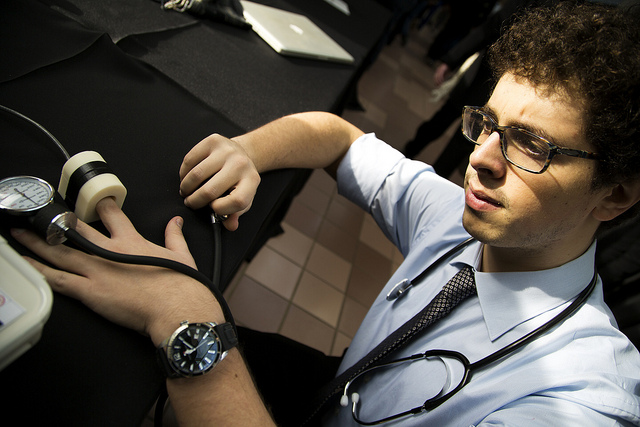
Project Outcomes
Since inception, we have worked on projects in maternal health, family planning, minimally invasive surgery, physical medicine and rehabilitation, and more. Explore our past and current projects.
Learn More →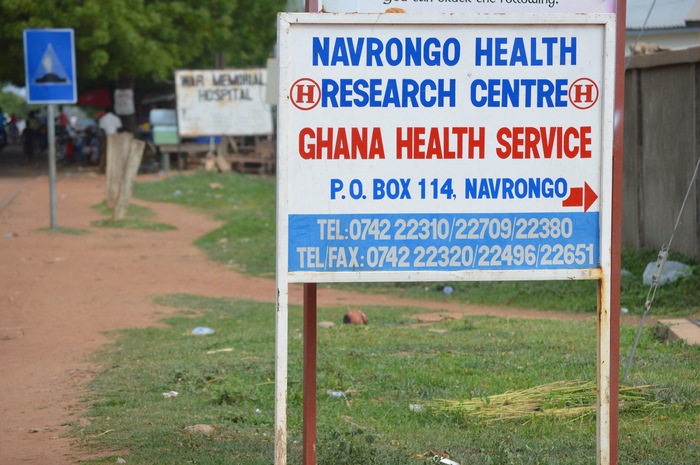
Get Involved
There are many ways to get involved in global health work with GHDI. From taking on a need statement, to participating in an opportunity, or becoming a partner.
Learn More →